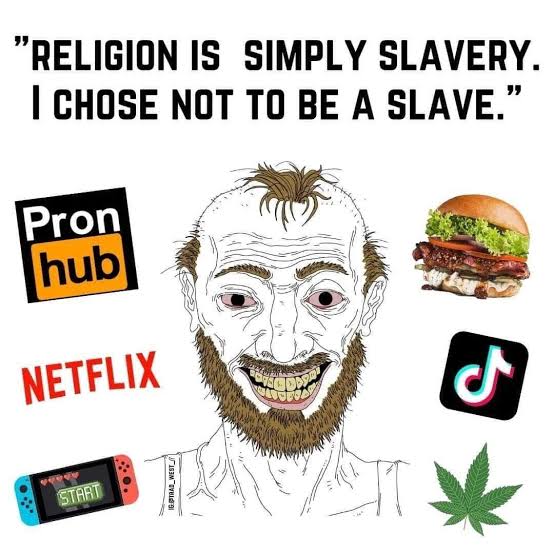
1. Consoomin'
Most modern people if they are being honest with themselves should admit that they are attached to consumerism. Although most would lie and tell you otherwise if you ask. Yet their (me included) behaviour would indicate otherwise. We take part in these activities on a daily basis. When we talk about consumerism in media or with friends almost everyone would jump to agree with you that it is bad. Why is this? I believe it is because the people have internalized thier consumerisms.
People identify with the things they consume.
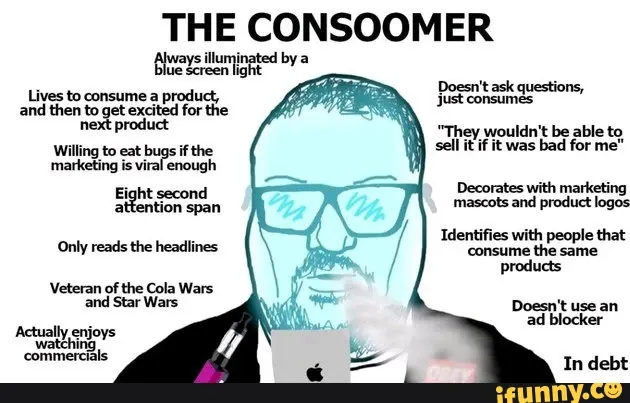 The best example I can think of from recent history is the “BTS Army”. Admitted this was when I was in school. I recall thinking that these girls as pretty cringe and also felt a sense of unease(rightly so). What I failed to realize at that time was the reason for the uneasiness. The reason if you would ask me now is that they have internalized this product into their identity. When you criticize the band or just say it is not your taste. They would jump at your throat. It is as if BTS is a core part of their being.Criticising the band, or even merely not knowing anything about it, could be taken as a slight against them. I initially was tempted to reduce this entire thought train by just answering to myself with Nietzsche by saying
“One loves ultimaately one’s desires, not the thing desired.”
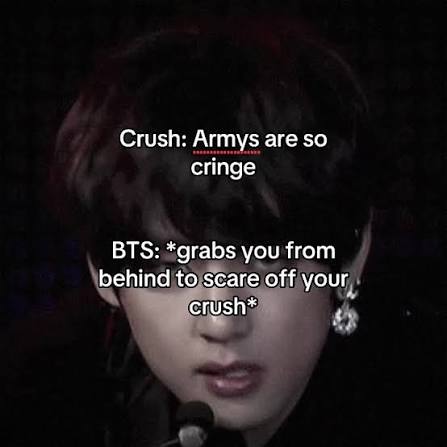
But I think it has more to it than that.The ultimate point here is not about BTS, it is broader. This just happened to be an example I thought of. Many more examples I can bring up. In TamilNadu atleast we have Vijay and Ajith fan wars. Globally we have Marvel and DC and stuff. Anime fandom elitism. Here I must confess, I am guilty as well. Specifically with some Games and more importantly my operating system. The game was Red Dead Redemption 2 and the operating system is Linux. I remember a incident when I was acting not unlike how the BTS girls would at a friend who showed me a video. In it a soy dev was saying “Linux is only free if you don’t value your time”. This I felt at the time was rightoues anger. I in my mind was defending Linux. But the reality was that I was defending a identity which I have constructed around being a linux User. Same with the games movies and so on. This is when I began to understand that:
“One is ultimately Consumin’ an identity, not the thing itself.”

These fickle identites we build for ourselves on top of things like:
- Game
- Music
- Software
- Shows
- Any political parties (ALL OF THEM!!!)
- Movies.
The above things are easily replaced not stable. The video game franchise you grew up playing is now under new leadership. The music band you listened to is now disbanded. The movies you grew up watching are not what they used to be. And worst of all of this is the people who identify with their vices. They identify with their bad behaviour and degenracy(sodomy month etc.). The vice becomes part of who they are and it becomes impossible to reason with because it feels like a part of them is being attacked. And as far as identity is concerned:
Identity ideally is something one can’t change about themselves.
- Family
- Gender
- Ethnicity
- Mother Tongue etc.
How to tell if I’m Consumin'?
The answer to this is so broad that it is easier to define what can’t be consumed. This is a heuristic I came up with. It is not a hard rule, but I think it is very useful.
What is permanent can’t be consumed.
Yes, you can be attached to everything you see, because everything we see is impermanent. The Buddha would say that detachment from worldly things is the way to overcome suffering. But the problem with this advice, at least for someone like me, is that I still want things in my life. I want to enjoy things, have relationships, and participate in the world. I am not an ascetic, nor are most people. So what do we do?
Here is my two cents: impermanence alone does not make something consumptive. Some things are more consumptive than others.
The following are two heuristics I have come up with to help distinguish between them. They are broad, vague, and subject to interpretation. They are not exhaustive rules that can explain every case, but I believe they are useful starting points.
- Practically Permanent.
- Hedonic Adaptation.
Practically Permenant
Identifying and grounding yourself to things that have not changed for centuries or will not change in your lifetime.
The modern consumerist world feeds you with identities that are contingent to their product that one just has to Consoom to be a part of. These products are temporary these frachises companies and trends are all so temporary. These companies get to define them and they can even filp them on its head.(batman Absolute is an example).
I saw some guy post on the internet post about like a moment in his future where he would witness his son play the same game as he did during his childhood and it would be shown like a nostalgic proud dad moment.Yeah that does not exist in the modern world. The next generation is not going to enjoy the same media you enjoyed because by then there will be newer things to consoom.

In a consumerist world there is not contunity between generations. Most people today would assume this is normal. Like it is the most obvious thing in the world. “Why ofcourse, there would be difference between how people of different generations think”. I agree that there is bound to be social evolution across generations but this consumerist world makes it so that idea of continuity between generations is not an obvious thing that could have existed.
Here is what I think is the antidote to this is: Some ideas/identities are practically permenant for a lifetime and has also survieved millenia. These are what I call practically permenant identities.Good examples of these are your parents,family,community,ethnicity etc. Modern world always would argue against these identities with very psuedo moral and virtue signalling slogans. Why? If the system could break people from these identities then they can fill you with identities that are contigent on them.
Though these more permanent identities may be riddled with “irrationalities” and “superstitions”, they played an important role in society. They held people together.

Recognize this fact and select the permanent worlds over the fickle. For most this would come down to the following:
- Family
- Your own body
- The friends that actually matter
- Local community
- Religion etc..
To the redditors saying “Uhm! Actully these are irrational beliefs”. Here is why “Rationality” is not what you think it is.

LINDY’s LAW and Rationality
Somethings survive the test of time. Their mere survival means something.
Lindy’s law states that:
The longer an entity has already survived, the longer it is expected to continue surviving.
We still talk about aristotle and his ideas after 2000 years which means that it has something timeless and hence it is reasonable to assume it will survive a more 1000 years. I am sure people will still be talking about aristotle in 500 years.So it is “rational” to trust traditions that have survived the times. When we talk about tradition the modern mind’s first instinct is to scoff at it and call it “irrational” and “superstisous”.
The first thing that comes to thier mind is to rationally break the idea down or understand it rationaly.This is not always a good thing as people would think it to be. We humans lack the faculties to rationally understand the world as it is or plan society rationally. We simply are that way.
A good example of this is gender roles in society.They have existed for centuries.They still do to some extend. A modern man would sit there and think of any rational reason why this thing should exist.Once he drew blank he then in his mind would come to the consclusion that it is irrational and hence bad. This is his approach with most things.
“It does not rationally make sense why I should be doing this hence I am going to assume it is bad.”

What is even worse is then people finding no rational reason for these doctrines, will default to a reason that suits them politically.For them the idea that humans can’t rationalize everything is not even considered.Considering that would mean they lack the “rational brain” ofcourse.They will give up rationlizing the content of the doctrine and go after the intentions behind them.This chain of rationality has been at work in modernity breaking down traditions and chipping away at them.The talking points then would be “This specific doctrine was used to CONTROL/OPPRESS us” etc. You can observe this in the core of modern politics.This is what people today think being rational means. As Luke smith would put it “Being rational is not what you think it is”
Now what I am saying is not to blindly accept everything and go along. My point is to make you understand the cost of what we are doing. You can question everything and anything, but before coming to conclusions think about the points I have made which I will summarize.
- Ask yourself has these set of beliefs/identites served humanity?
- Has it stood the test of time?
- Ask yourself is human brain just not built to rationlize everything?
- Am I coming to conclusions without fully understand this? I think I should write a seperate article on this but whatever.
Hedonic Adaptation
When one says hedonism, the first thing that comes to mind is drugs, alcohol and other vices and sins.To be frank, the Christians have a great understanding of the concept of sin. The nature of sin and its effects on man are discussed in quite some detail by saints and bishops of the church. My understanding of their view is that sin is enslaving, and Jesus in John 8:34 says “Very truly I tell you, everyone who sins is a slave to sin”.Though I am a Hindu and belive that freedom is ultimately moksha. This definition given by the Christians is particularly valuble.
Why this resonated so much with me is because I actually sat down and thought about it. The sins described in the Bible have the following in common:
- The more you do it, the less pleasure you derive each time.
- The more you do it, the more you want to do it.
- The more you do it, the less you think about other things.
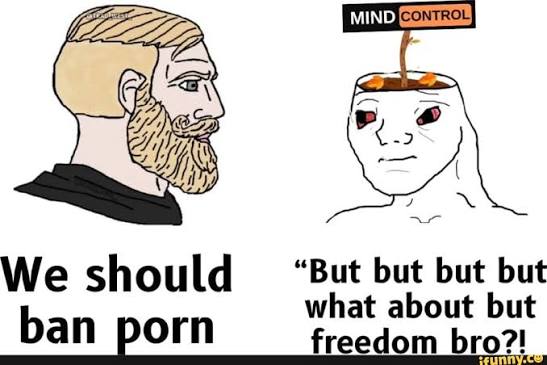
This in today’s science we call Hedonic Adaptation. This is a control system in our brain that recalliberates how much pleasure something can give. If you are familiar with the trend of people talking about “Dopamine detoxing” and stuff then I am sure you understand what I am talking about. and it goes without saying. Please avoid these as much as possible.
The beautiful things in life are different: the more you do them, the more the satisfaction grows. Real relationships are different: the more time you spend time, the more you start to like each other. Grab on to those for dear life and forget the rest. So the rule here is:
If an activity gives diminishing returns of satisfaction.i.e. Does the happiness/satisfaction grow deeper or weaker?